
https://assets.plandemicseries.com/Bad%20Medicine%20Sample%20Clips%201080p.mp4
Winter in Queensland Australia
What is your favorite season of year? Why?
Winter in Queensland, Australia.
After this past oppressive summer of humid 38 ° Celsius some days, and a bit of a wild wet spring this year here in Brisbane, I truly welcome the winter of its 23 degrees by day, blue still sky and crisp nights of sometimes 10 or far below. I live in a tent, so it’s a joy to snuggle up in warm woollies at night and breathe in the fresh air. Tent life only settles down well now that it’s a dry season.

FROM HOLLAND TO THE BRISBANE YEARS:
TRAVELS FROM 1992 to 1994

Whilst still living in the north of Holland in 1992, our travels were limited to bicycle rides around the town and its surrounding rural areas and dunes. These all had great bicycle paths. It was all very pleasant, although freezing at times. I made a few train journeys with my children too.
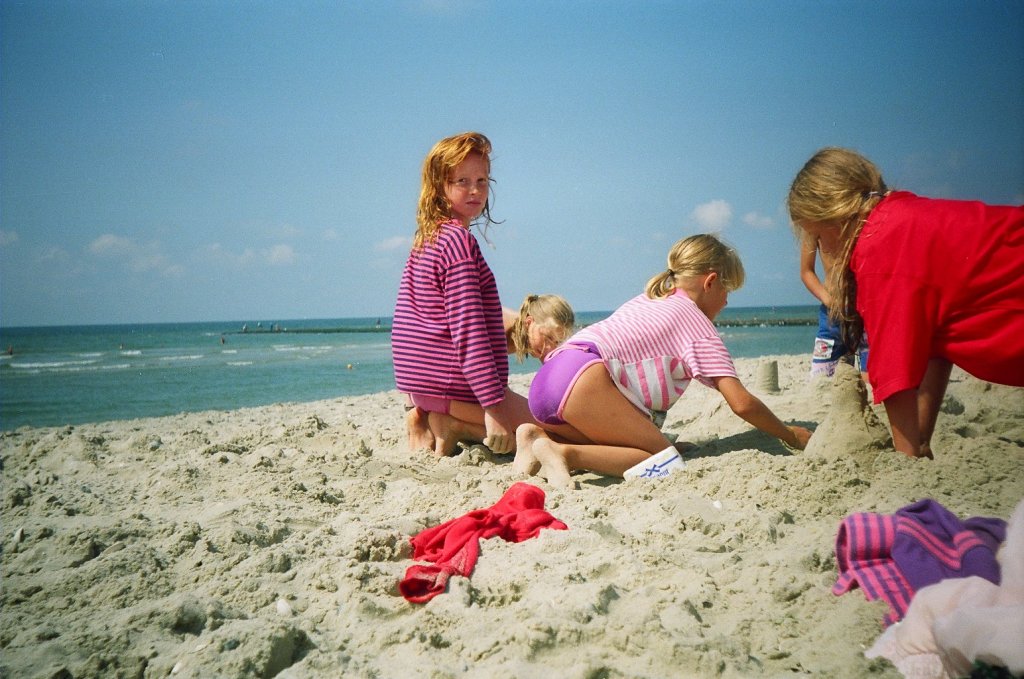
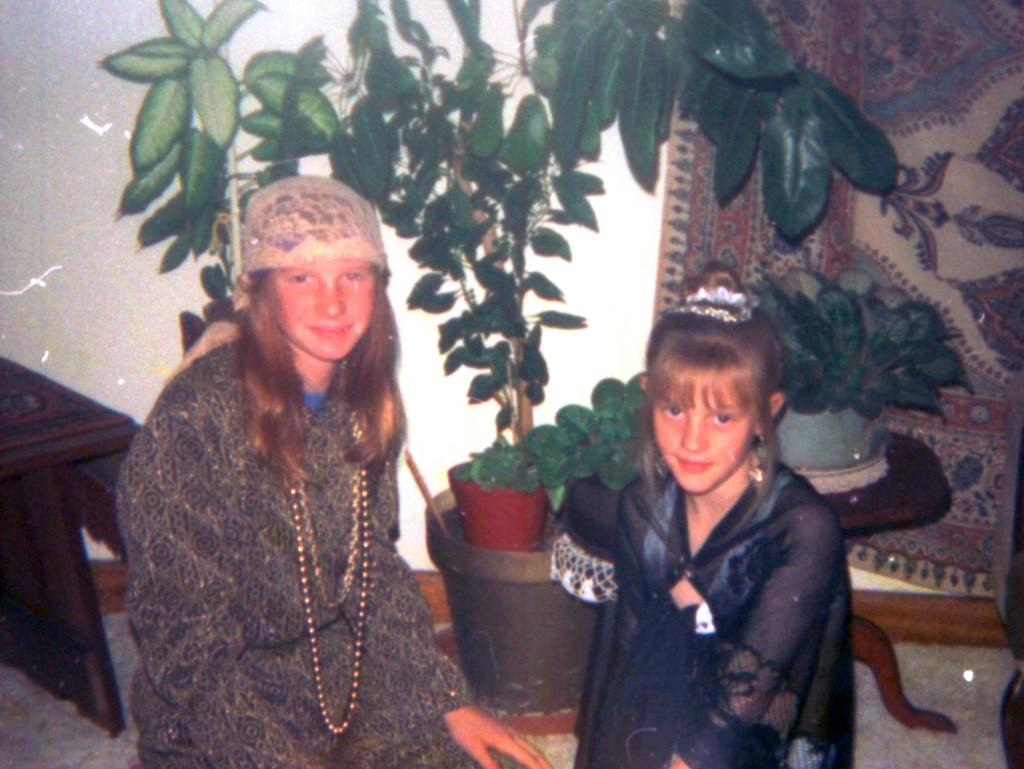
After Marisca had worked at a flower farm during the summer holidays, she flew with Brianna to the family in South Africa for a two-month visit. They had to stop in London, England, but were escorted very well by the flight attendants. I am immensely proud of the two of them handling an international flight so well. They had a wonderful stay with the family, did lots of dress-ups with their Oma Zwiers and saw a fair bit of South Africa. Brianna even rode an ostrich! Petrus joined them in the middle of their stay and in the end the three of them flew from Johannesburg over the Indian Ocean to Australia.
At that point I also made the big migration back to Australia with Sabrina and Carl. Much of the packing was done before Petrus had left and the crates had been sent to Australia and I handled the rest afterwards, some of it with the help of friends and neighbours.
From Schiphol we flew directly to Singapore and left a day later by bus to a seaside resort in Malaysia. Most of the time we ate supermarket food that I had brought with from Holland because the hotel food would be too expensive. It was quite tricky to get active Carl to sit long enough in the highchair in the restaurant for our one and only meal out for the day, but we managed.
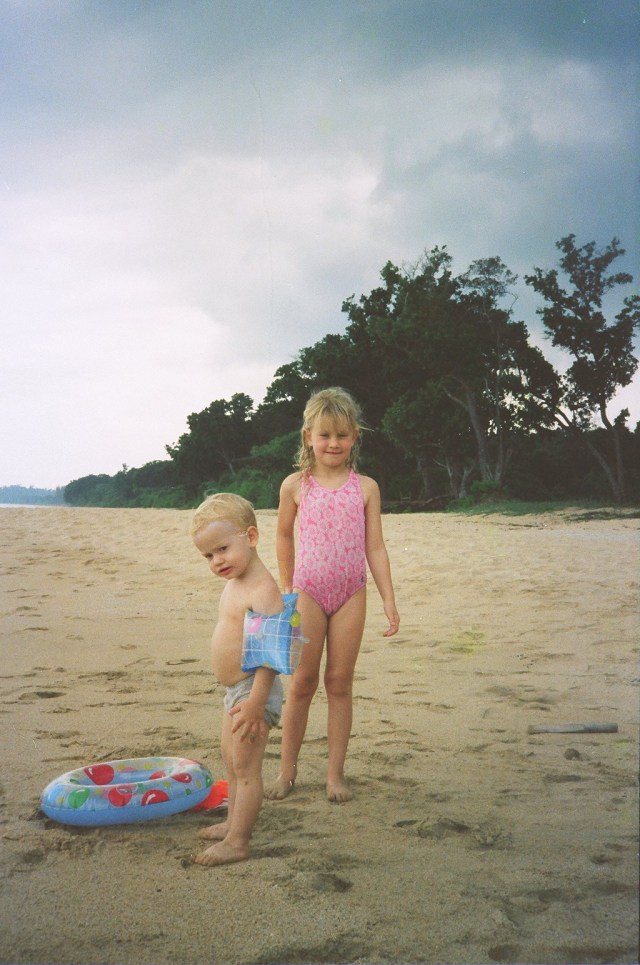
We had fun watching thousands of bats fly from palm tree to palm tree in the early evenings, experiencing the hot humidity of the equator and cooling off in the pools together with tonnes of Japanese and Chinese tourists. Many of the Asian travellers wanted to take pictures of Carl and Sabrina. Carl clung like a monkey to mum. He was not going to oblige.
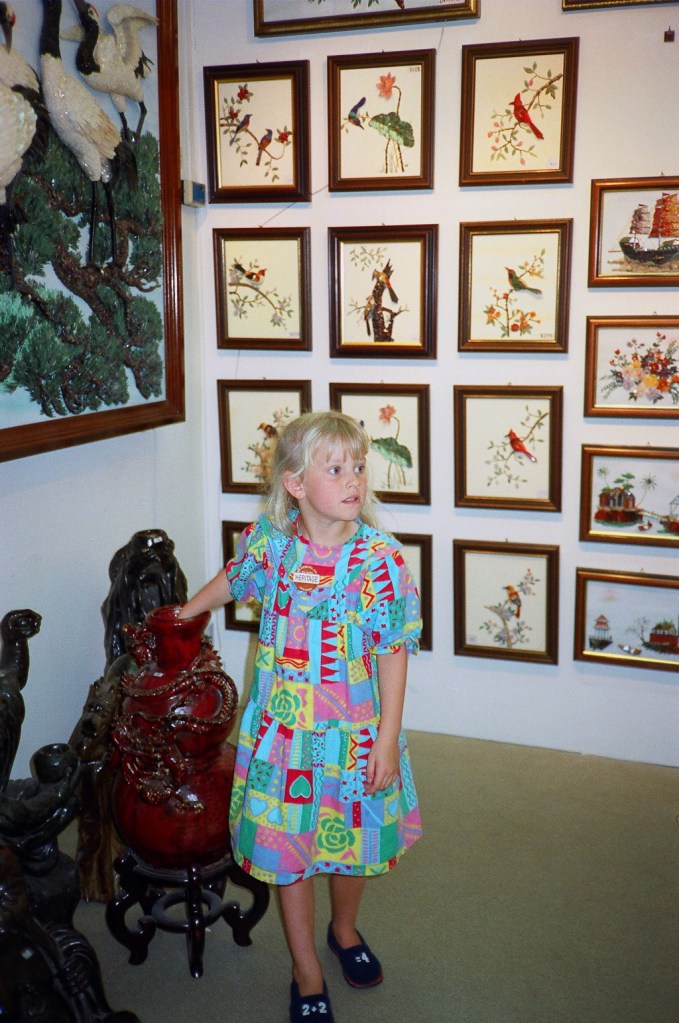
Sometime later we travelled back to Singapore, did some sightseeing with Carl in a sling (saw markets, temples, museums, Little India, Chinatown, and a gem factory). Two days later we flew to Brisbane where a Dutch friend picked me up. Australia again! This is now home, but the ambivalence never leaves one. If we had three feet, one would be in South Africa where we were born, the other in the Netherlands with whom we have cultural and philosophical attachments and the third here in Aussie country- the nearest we can get to our roots and the smells and sunshine of our childhood.
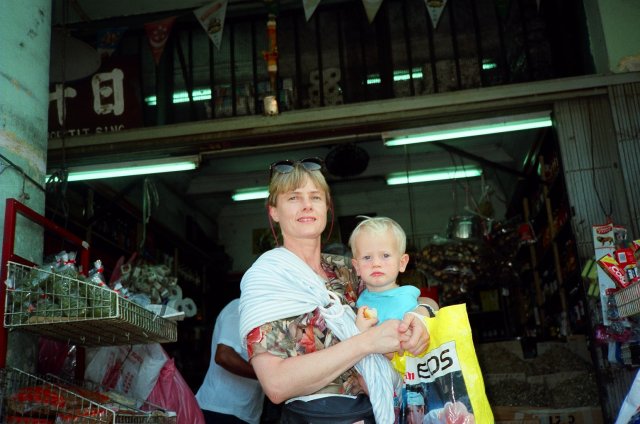
Petrus, Marisca and Brianna arrived two days later. I was thrilled that we could all be together again. A week later Petrus heard that he could get a drafting contract in Mackay, 1000 km. from home. This was a bit too much for all of us to accept. The suitcases were scarcely unpacked and here we were packing them again to be able to stay with Petrus in a caravan for the next few weeks. I was dying to start the big clean-up and fix-up at home and the kids really were hungry for settling in, so we were quite unhappy to go. But it was still a lovely experience driving up north and experiencing Mackay.

April 1994: OUR HOUSE AND GARDEN
Initially it was a shock to see our garden and walk into our house. It was very dirty, and the garden was barren. Either our tenants or the rental agent’s refuse removalists had pulled nearly all the plants out. Now, months later, much work has been done and I feel used to everything. Definitely a feeling of home again. I have planted and dug till I dropped and so did Petrus. The girls also lent a hand. Carl pulled plants out again and again, but it’s looking good and green around here nowadays. We have got the pool going, put a tyre swing up and dug an enormous sandpit, now filled with soft Stradbroke Island beach sand. We have a vegetable garden going and I am trying to establish the lawns. We still must treat the fruit trees this autumn. I also made a patio with pavers and pebbles.

WORK
Petrus has had some drafting contracts since returning to Australia; enough to keep us going and we try to be patient because of the economic climate. With all the settling-in we had to do, I was thankful for his couple of weeks home in between contracts. Petrus is mostly doing CAD (computer aided drafting) now. Now he works about 18 km. away from home and mostly rides his bicycle to work at 6am. returning at 6 pm. in the late afternoon.
I do all sorts of work. I have a certain percentage share in Petrus business as his partner, mostly for tax reasons. Officially I am his “secretary”. I have my own office at home and use it very well for personal writing, research, organising things for homeschooling, La Leche League work when there is some, etc. Homeschooling takes a big effort, as does housekeeping, gardening and being a mother. Some days I am vibrant with energy, other days certainly tired.
The kids (apart from Carl) all still have one household chore to do, just like Petrus and me, whether it is cooking, dishes, laundry, or the clearing of their own rooms. I keep a job list that must be followed strictly otherwise mum goes nuts. Apart from this I have a certain Maria coming over once a week for 3 hours to help me give the house a good clean-up. It is costly but worth the sanity of a six-person household where there is a toddler included.
HEALTH AND FOOD
We have all been amazingly well considering the fact that we have come into a different country with new germs again. The kids have only been really sick once and Petrus and I have had headaches (which parent does not). In Holland the kids had one cold virus after the other during our two-year stay there.
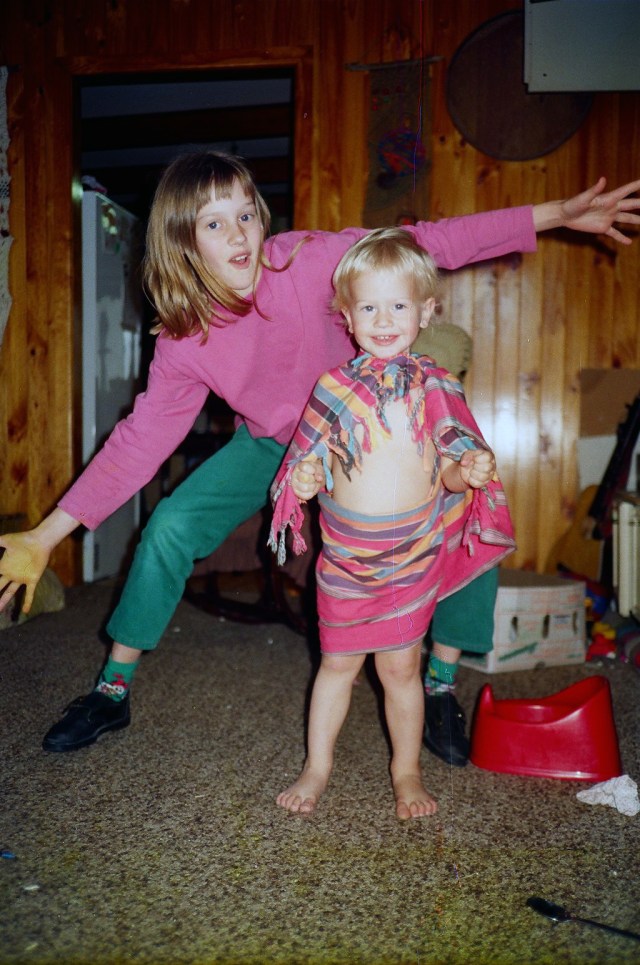
Food: Initially we ate very “mixed-up”, getting ourselves settled in. Now we are getting more organised and more vegetarian by the day. I reckon we will always be eating chicken and fish, but we are only eating red meat once every week now. There is such an abundance of beautiful fruit and vegetables available here in ‘the subtropics anyway. My next step is to get hold of organically grown fruit and vegetables because of all the chemicals used in the production of the usual supermarket vegetables. We are trying to let our main protein intake, other than the above, be eggs, beans, nuts, and dairy products. Unfortunately, because of our fast modern life I do sometimes succumb to fast food.
WHERE WE LIVE
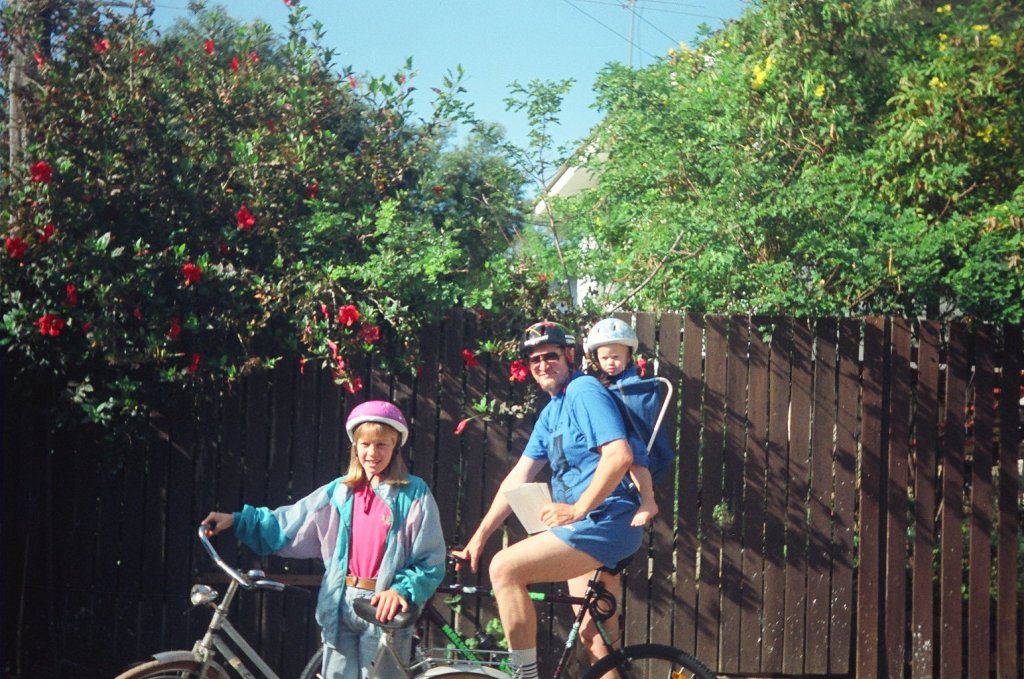
We live where Ipswich and Brisbane and Moretonshire meet. We live on a hill, so we are happy that we will never be caught in a Queensland flood. We have many Eucalyptus trees across the road and to our right. Near us there is a lovely acreage where the owner allows a couple of people to keep horses. Brianna used to go there very often, tending some acquaintances’ horses, and brushing them, hoping to be given a chance to ride one of them. She has had a few turns and enjoyed the galloping tremendously. She has a horse-riding helmet (Marisca’s old one) and really wishes she could get many more chances to ride- or better still: buy her own horse. Carl also loves to go see the “horsies”. He likes to be carried in a sling, i.e. when he is not insisting on walking or running by himself.
NEIGHBOURS
I have come to know most of our neighbours. None of them are close friends but we are all there to help each other out, such as with helping to carry a cupboard down for a garage sale, getting little palm trees or ferns from them, watering their garden when they are gone and them watering ours or feeding our pets, borrowing the odd tool or egg for pancakes on a rainy Sunday.

Our back neighbour is originally from Holland. Another neighbour is originally from Zimbabwe. Petrus knows a very friendly guy from Angola and his Australian wife and kid. Other than that, we know another family who has Dutch and Yugoslavian connections. Goodna is quite a multicultural community. It is a pleasant experience for the kids to grow up here.
Written in 1994
Names other than my own, have been changed to protect people
THE JOHANNESBURG YEARS: Twenty years and further.
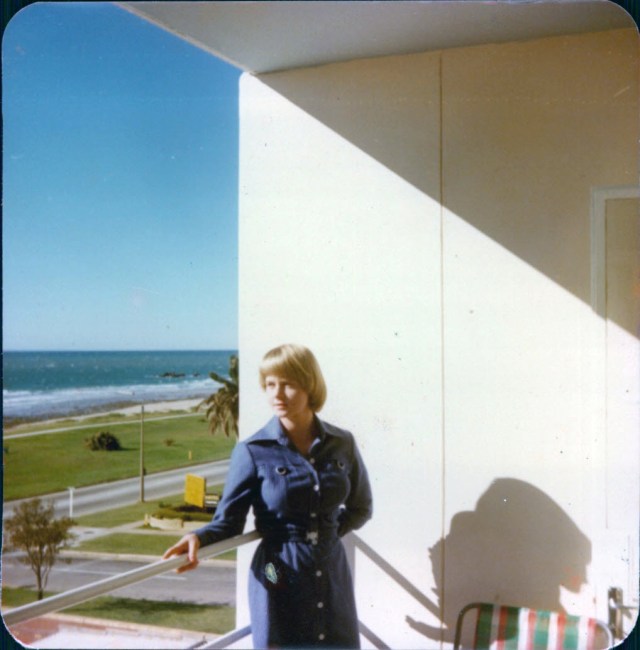
MY TREE: 1976.
I worked in Johannesburg, moved into a flat with my schoolday boyfriend and relied on him heavily to be my help. By this time I knew there was no answer in religion for me. When it became clear that Petrus was not going to help me either, I went through psychotherapy again. My psychiatrist did what Petrus had done; he left me to solve my own problems but I did not appreciate this fact. I did not feel good enough about myself to help myself.
31 August 1976
Dear Tom,
I would like to tell you about my childhood, about my country, about the places I travelled to, about the books I like, about the things I do when I am on my own. I want to go into details, describe it intensely so that you can know me. I want to do my best not to talk about any of my sorrows, but unfortunately they are part of me too.
What keeps me from doing these things, is the fact that I have no respect for myself and that I do not think myself able to talk interestingly about those things. That is, not at the moment. I can change overnight.
I will not think of the love of a man and a woman anymore. not the kind of love I felt for you. What I know now is comradeship, deep friendship, loving that sees little passion but that protects. I am loved by a man. Under the circumstances, it would be foolish not to accept him or any other form of love. Though you and I are not bound in any way, I feel I should ask you not to condemn me, perhaps because I said that I loved you in the past.
Perhaps I can make it very simple by saying that I am terribly bored with my life at this stage. As soon as I start my studies next year, it might liven up a bit.
When I get lonely, I give my cat all my attention. I see that she is like a person; she has her pride, her jealousy and her conscience. Or I walk the streets and observe the houses and the trees. In Amsterdam, I used to do window shopping in their lovely, cosy, narrow streets. I wish I did not land in this walk of life. I wish I had been with animals all my life. I wish I could work with them now, but I have chosen another walk and I want to follow it, because, in the long run, I will profit more from it. Languages will not be more satisfying, but they might provide a more stable future…
And you, Tom, I suppose you think only of the good things you can get out of life and that you find your life completely satisfying. If it is so, I am glad for your sake. You are not a worry-person as I call it, and lately I have tried not to be one either, because a person who worries too much stays small – in his job, in his personality.
1977
THE GLASS MENAGERIE
In some way, somehow, this has happened to me too, Laura; Tom Wallis came along and what a wonderful world I suddenly breathed in. Because of some weakness or strength in me, I did not go to Tom in his country. I feel so sad. I am happy with my life; I have food to eat, I have the place and the ability to study; my mother and father apparently have accepted me. All the other people except Petrus are nothing to me. There may be Mrs Wentholt, for instance, amongst them, but it stays a but. I cannot ever be as certain of anybody as of Petrus (at the moment, I should add). I have nobody and nobody has me. If I could build strength in my own body and mind, and love myself and depend only upon myself, I might still be lonely but never helpless. I will have strength when I walk in the streets, in the city, amongst people and most of all, at home.
MY TREE: 1978
My problem with hurting my face seemed ten times worse than years ago, especially since I felt the pressure of having to change after so many years and was counting them. Eight, nine, ten years and so on. A youth wasted. I broke down and went to a psychiatric hospital called Tara, near Johannesburg, for 7 months. Near the middle of my hospitalisation Petrus and I married. I thought it was the answer again. But then nobody eventually lifted a finger to help me, and I was going through nightmares. The worst was the hell of going cold turkey after years of heavy tranquillisers.
This was the point where I realised that all responsibility to go forward lay by me. It was a hard thing to accept and bitter and lonely. I learned to appreciate the fact that I was an atheist and learned not to apologise for myself or to myself about that any more. I had to come to terms, as well, about being virtually alone (or so it seemed) in my intense dislike of the South African government and could start dreaming about leaving South Africa one day. I had struggles but I am a happy person because I could discover my own sense of wholeness. No external factor or symbol could solve my problems. I had to do it all by myself and I desperately needed to believe in myself, because I had never done that.
4 January 1979
Dear Tom,
I have not written much lately to people because I went through a deep depression and I was in a psychiatric hospital for 7 months, that is from April till the end of November.
I had the breakdown in March and I then decided to leave university for two years, to continue in 1980 when I had more money. That will also give me the opportunity to pay off my Volkswagen Passat that I received in August.
I landed in hospital because, being an atheist and feeling bitter about South African politics; I just did not fit into the South African society. I was getting increasingly angry and hurting my face and it was challenging to keep my mouth shut and not become an outcast. I have a very close friend who shares my feelings without losing his love for God or his country- but one man is not enough. I wanted hundreds of friends with whom I could talk freely and openly, but all that time I had to keep quiet.
I wrote, of course, in silence, and found relief that way. In those months, I had psychoanalysts to talk to as well. The reason why I stayed in the hospital so long, is that I initially relied on other people. So I learned that I could help myself and stop depending on others. Then I learned to accept myself and to forget about my fear of being exposed and rejected, of being cornered and scorned because of my views on life. I am today such a happy person that nothing matters any more. I have grown. I feel safe and secure, safe and warm and loved.
I am calm about the future. Trouble is coming fast in South Africa and at the first sign I will emigrate to somewhere in Australasia. I feel that there is an opportunity for work and study and the weather matches that of my country.
I am not running away. I am just not interested in fighting for a country whose politics I dislike.
(Written by me in 1976 to 1979)
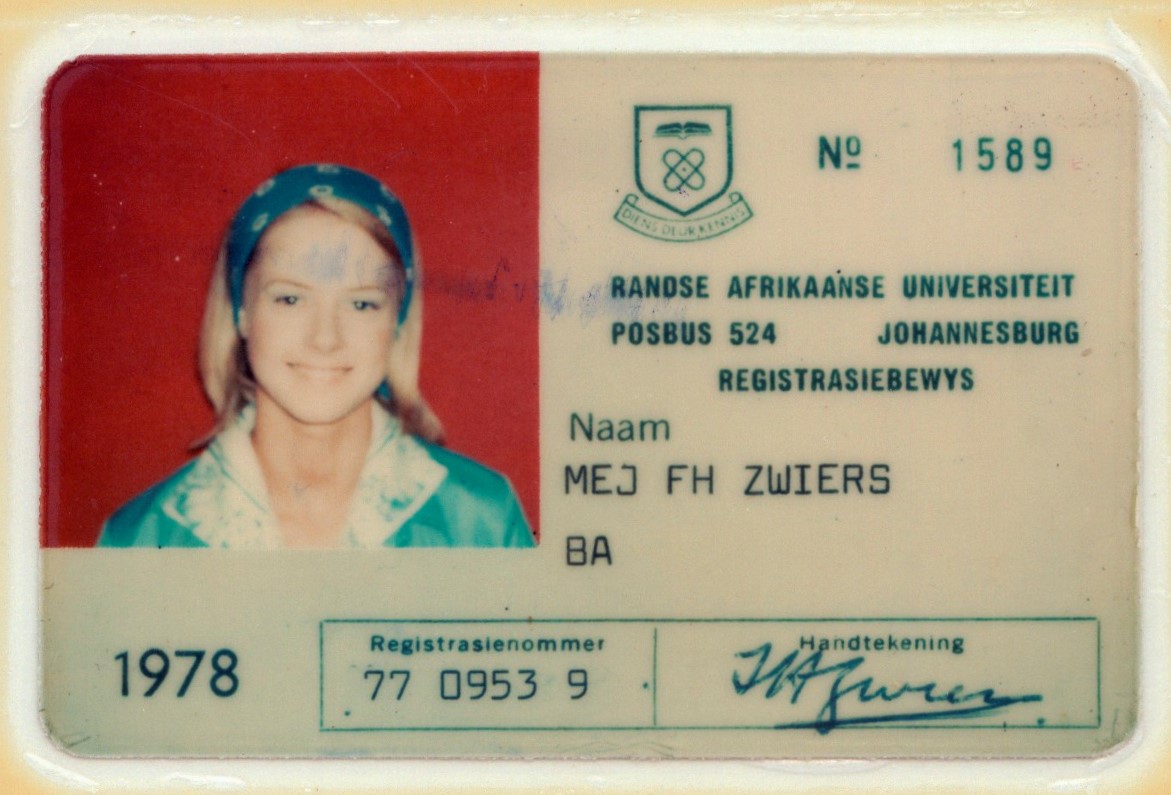
NINETEEN: AMSTERDAM TO CAPE TOWN – First Loves: Frank and Tom
AMSTERDAM
2 August 1975

I have no regrets concerning my childhood- those sad years had to come to let me know the strength I now have. I won back everything I believed my parents had taken from me, except for one precious thing- being spontaneous. It’s all over and I’ve convinced myself that I love this new lonely freedom. I’ve had psychotherapeutic help and it changed a million things. I still have my beautiful wishes, but I am proud of them instead of hiding them.
On November the 17th I leave. I will spend two weeks on the ship ‘Australis’ and arrive in Cape Town on December the 3rd. I intend to live in Johannesburg. There are three reasons for my return: Where a good job, money and study are concerned, I’m better off doing it all in the languages and with the people I’m more familiar with. Then there is the weather and nature. I find my surroundings one of the most important things in my life. There are fine days here too but they will never match what I have known. And then I have a friend who spells security and protection. I know fears that you probably don’t know- and that is why I need some kind of human shelter and honesty.
I’m afraid to say this but I feel that I have to: I have three good reasons for going to South Africa. If I did not have them I would have wanted to go to you Frank, in America and be with you. When I think of it I feel unsure, very unsure. So you see: there is an important part of my life that I am sure of and a just as important part that I am not so sure of and I have to choose. I will never be as childish again to believe that I am forgotten, but I’ve never been so aware that one human being can get lost amongst all the millions of the world. I am happy and aware of a power in me. I have to act wisely and see to it that I don’t get lost.

December 1975: Arrival in CapeTown on the Australis
December 1975
Tom,
I love you
I love the lazy way that you walk, because it is so much part of the country where you come from. I love your face – it is so expressive. It is yours. It makes me proud of you. And, oh God, how much pride you possess. You are lovely; to me you are so beautiful.
You have everything that I would have wanted. When you smile, when you look, when you talk, you tell so much and in such an honest way. You lie perfectly and I believe you- but you admit that you’ve lied after you had seen me fall into the trap.
I am just a small speck of you. Overshadowed by a master because it is my will.
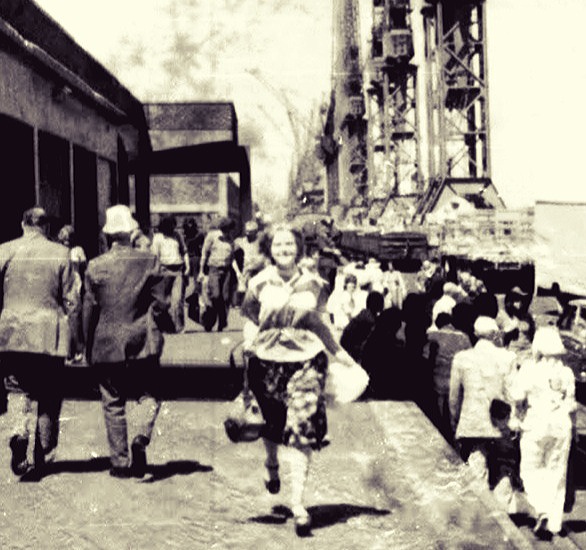
Arrival Cape Town: December 1975
Stoneshill, Grahamstown, South Africa: January 1976
A month has passed since I saw you, Tom. I haven’t had a letter yet- of course I can wait, you are probably very busy, but I wish that you had sent one already. I feel troubled and insecure.
I would like to talk to you now. This paper stops me from being with you; it shows me how far away you are. When I have a job, the time will pass much faster; now I miss you so much. It feels odd to say it, because I do not see the reactions on your face, I cannot hear you and I have a need for that. I can only remember you talking seriously or smiling or kissing me. I think of you so often that it’s driving me mad. It’s so impossible to be with you right now or perhaps even when I’m there in New Zealand. Because there’s been no letter yet, I do not know what you think. I’m very much aware of how far away you are. That leaves me empty and alone and longing.
My previous letters must have shown me as nervous and anxious not to say the wrong things. Fortunately I am a little calmer now and I should explain why.
There are many things that I would like to learn about the art of conversation. I can only ask for time- time to learn to talk or write clearly- time to go to the absolutely opposite end of being egocentric. With experience, knowledge and abilities I will be helped in learning to communicate. I will learn- that is a promise.
It all makes me think of the contrasts in my life. How come is it so that I have a great interest in other people but experience difficulties in expressing that interest? The position of travel consultant attracts me, for instance, but I dare not be such a person, even though I feel and know that I can be one. On the whole I like people, I am attracted to them and at the same time they scare me into a certain silence. The knowledge that I possess orders it self beautifully clear in my mind- but when I speak it is scattered and torn.
Still, though troubled, I am happy and fortunate to have a pen and paper and the will to tell you about the good days, however scarce they are. I spend them doing a variety of thing: I read or make ice-cream or learn to type. Sometimes I just scramble around with the dogs on the lawns and decide to weed the strawberry gardens or pick raspberries for dinner. Occasionally Mum and I swim at home. I play tennis against the garage door or I bike in the direction of the sea. Odd jobs come my way, like polishing the scratched chair that aged in the shack or washing the car. Lazy, sunny weeks- they are without purpose…

The Australis’ journey around the world
8 February 1976
How is it possible that I have so much and yet feel so utterly incomplete, unfeminine and plainly irritated or bored.
I am not pretty; I am fat and scarred in the face. But these are minors. That I dare so little, that I feel small when confronted, that I struggle to overcome my problems- these things haunt me. They make me look bitter and resentful. When I laugh and am loved I can look beautiful, even desirable.
I want friends- men especially; but not men to love, just friends to be with. They cannot charm me for long anymore, but I need a man. If I could love him like I love Tom, I will control that love, because I live in constant fear of losing him.
I cannot hope for much. Not now, not tomorrow.
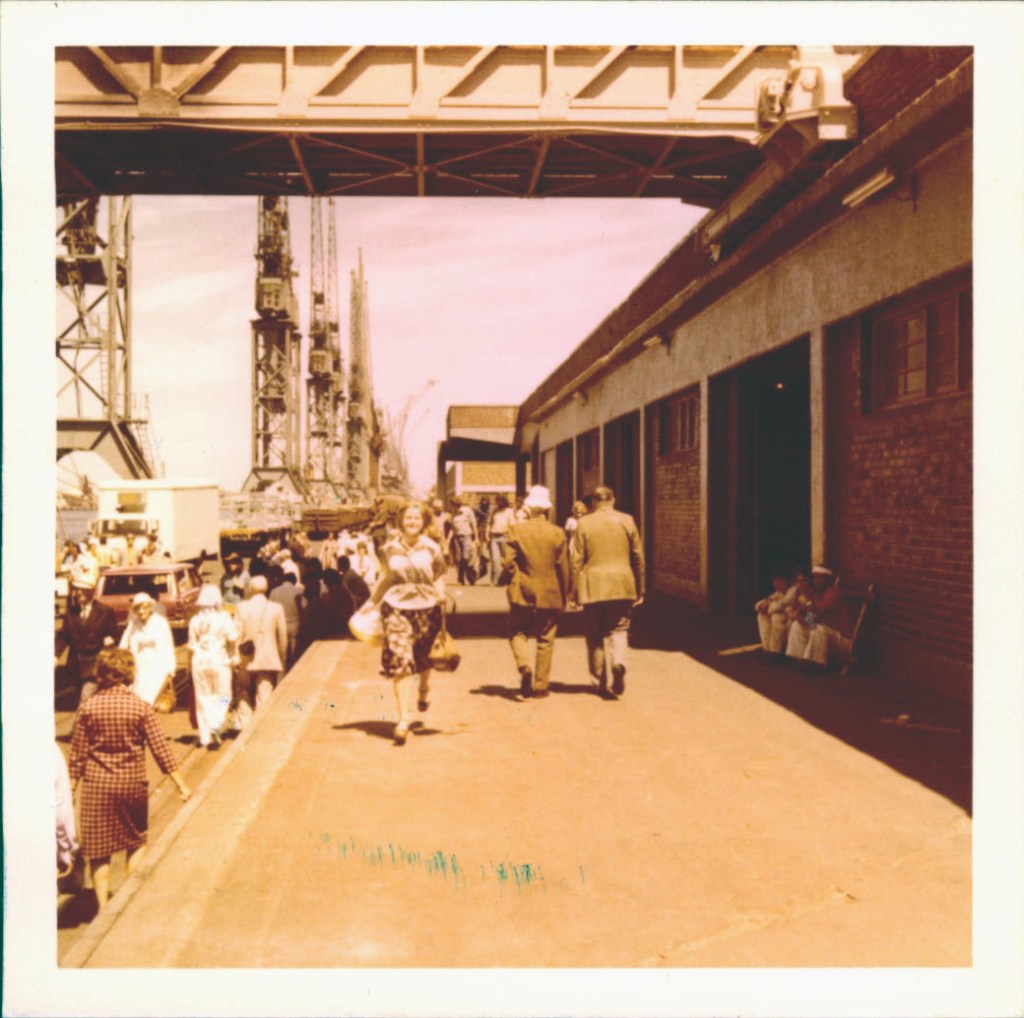
Running to my parents at the docks Cape Town December 1975. Tom is almost in line with me behind me, dark hair, talking to an older man.
Little Bandle, Port Elizabeth, South Africa
28th April 1976
Dearest Tom,
Dearest Tom,
I wonder if you will really understand me when I tell you how my future has changed in a single morning. To go with you, go to you, was the goal I had originally intended. Later when the first longing and misery calmed down I became frightened of what lay ahead.
I knew I would have to adapt myself to new surroundings; I’d have to make new friends, I’d have to go through all the fears I had experienced during my first few months in Europe. I knew I’d be able to cope, definitely, in time. But the insecurity of it all finally broke me down.
I was asked to leave my job because of a mistake that I had made. The company now stands to lose R1000 a year because of it. I think you can realise how a person’s self-respect drops after something like this. In other words, I know I am not able enough and I must study before I attempt another job. In my country and in many countries, matriculation is not enough.
I cannot go overseas and think all will be heaven again. I don’t necessarily think low of myself because of having made this mistake. However, nothing will be the same anymore.

Gran Canaria Stop on the way to the West coast of Africa
Dearest Frank,
Somehow one reaches a moment when you do not want to talk anymore. One knows that you are losing although you can win. Strength is there but the power to use all the strength suddenly fades.
One feels scorned. I feel branded. I have marks all over me- on the inside to where they are not visible, but I will never have the courage to open this subject to you. What I write here is for me only. You must live with the image you have of me. I may change, but I must change for the better. Sometimes I have the feeling of ‘I can handle it all’, but then come the memories and future anxiety and I’ve lost again. I lose; time and time again
10 February 1976
Dearest Tom,
Dearest Tom,
I feel that I must say what is on my mind or else grow wholly depressed. Since the 3rd of December, I have had no message. No matter what my share in life is to be, I feel that this is coldly unfair. I miss you. It is as if there is an intention to make this silence a hate situation and it hurts so much. How is it possible that you want to risk smothering the beautiful friendship, or do I misinterpret your actions? I never stop asking; it drives me to silly unhappiness. Please answer Tom. Say anything, tell me to keep quiet, but for God’s sake, say something.
Little Bandle, Port Elizabeth
February1976
Dearest Tom,
At last I understand why you waited so long to respond. I believed in you although all these weeks slipped by without a word. I felt as if you had disappeared as if I had dreamt you. Then suddenly on impulse, I telephoned you in New Zealand. It meant so much to me: to actually hear you speaking, to know that you were touching the other end of the line, that you had breakfast like any other person, and were going to work. And now, as I am in my room, it is quiet and I feel strangely alone. There are many people I love listening to, but you are special. I care about you. I have read so many things about your country in the last few weeks. You reflected all these things that I have read about – so maybe your greatest attraction lies in the fact that you are a true New Zealander.
1976
Dearest Tom,
Dearest Tom,
I was very happy with your letter. I do believe you when you say that you have no fixed girlfriend. But I am certain that you have a lovely time with your friends and girls in general. I have a friend- a longtime one – I’ve known Pieter since I was fifteen. He takes care of me like my brother would. Keep in mind that I did not know cosy, protective love as a child. In April I came up north to get help, to calm down and to decide about the future. Pieter offered for me to stay with his parents while looking for a flat. He has done a lot for me in the past and he still does. You might get a picture, through this, of the part he plays in my life. He loves me very deeply, although he knows what my feelings are for him and for you.
You might get married one day. It is and can be true. I have hopes to tour to your country still- this time with two wonderful men, friends and pals, my friend and my brother Anton. I wish you could share our friendship. Men are wonderful- without nonsense or moods- and they are sincere. You can rely on a man, I reckon, and though I am a woman myself, I stay away from my own sex with the greatest of pleasure. I’d rather have ten male friends than women. There is one woman though, who gave me a home and love in Amsterdam and I adore her. I will stay friends with her for the rest of my life. Pieter is another one of the life-long friends. Remember Mrs Strijbos on the boat- she’s another one. I suddenly feel very secure, as if there are many people who are my friends.
Tom,
How can I still be sad when I have so much; a flat, a salary and friends who like me? I can do so much: I can see so many beautiful things. I know my shortcomings but I doubt whether that is the cause: because I work on it. I try not to pity myself (and perhaps enjoy doing it). I try to learn to give of myself by means of conversation. I even feel content, peaceful. What is it then? My parents? No, they let me be nowadays- somehow I have faded away for them. Perhaps it is that I have no goal for which I live passionately every day. For four years I have had a one-track mind: going somewhere. First, it was to Europe, then nearly to California, then nearly to Spain, definitely to South Africa and then nearly to New Zealand. Somehow I do not have much to add to this. But I am happy, I know it. It’s only that the fire has gone out of my days. Whereas I planned madly, and recklessly in the past- I am careful and slow and sure when I do it now. When I’m angry and bursting with it- it is mostly the result of keeping every negative thought to myself.
1976
What is to become of everything? Now, Tom, I realise how things stand for you and me. We are two separate beings. You have never quite known the problem side of me and I am glad for your sake that you never got involved. I sometimes want to kill myself because I’ve failed to overcome even the smallest of my problems. I really want to fade away, because it would be an honest relief from everything.
Dearest Tom,
Today is desolate, best forgotten; an eerie emptiness fills this hollow day. How can I make any contact with you: there in this space- this vast ocean- the roundness of the planet- and stillness?
It would be quite a relief to crush all this drama and laugh. Uncomplicated.
It is midnight. You are having lunch on the other side of the earth. I see you. The night before me while you have the day before you. I’ll sleep now and try to find a way out of this complication.
Goodnight Tom.
MY FATHER HAD NO CHOICE: The Dutch in WW2
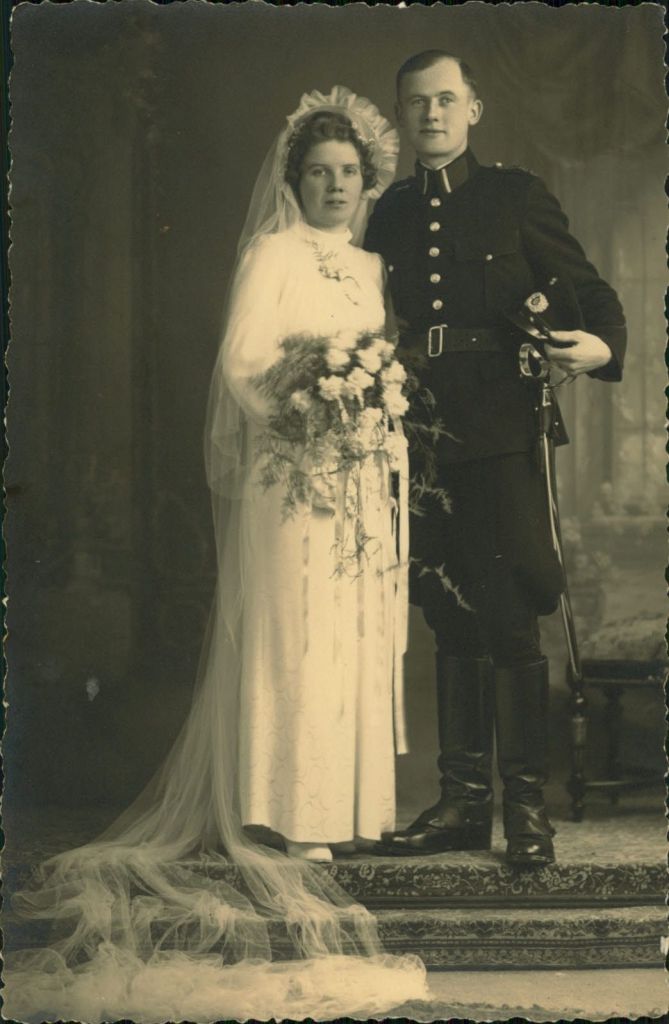
My father (1920 – 1995) was a young policeman in Amsterdam in the Second World War. He married and had two children, one born in 1945 before the war ended. He was confronted by very difficult choices.
My grandmother Margiena Koops, on the other hand, living in Drenthe in the Netherlands, sheltered and cared for a young Yewish boy during the war years. Hundreds of little children were smuggled out of care centres and schools to a safe place and their identities changed, when their parents were roughly hauled from their homes as in Amsterdam and deported to concentration camps. My grandfather Harmannus Luinge, was not happy with sheltering a boy because he was presumably frightened of possible repurcussions if they were found out.
“When Dutch Jews were rounded up for deportation to concentration camps, in the Netherlands in 1942, a plan was hatched to sneak hundreds of Jewish children out of a Jewish daycare to safety with “foster families” in the countryside. From survivors’ stories to rescue workers’ heroic tales, this well-organized, subterfuge of a resistance movement is the hidden history of World War II heroes and heroines during the Holocaust. ” AngelsofAmsterdamFilm.
http://en.wikipedia.org/wiki/Netherlands_in_World_War_II
Dutch Forced Police Involvement by the Nazi’s in WW2
Position of the Dutch within the Nazi ideology
Another aim of the German occupiers was to dissolve the Dutch nation and make it part of a greater Germanic, or Aryan, one. The German officials, including those of the SS, Arthur Seyss-Inquart, and Adolf Hitler himself regarded the Dutch as part of the Aryan Herrenvolk (master race).
Shortly after it was established, the military regime began to persecute the Jews of the Netherlands. In 1940, there were no deportations and only small measures were taken against the Jews. In February 1941, the Nazis deported a small group of Dutch Jews to the concentration camp Mauthausen. The Dutch reacted with the February strike as a nationwide protest against the deportations, unique in the history of Nazi-occupied Europe. Although the strike did not accomplish much—its leaders were executed—it was an initial setback for Seyss-Inquart as he had planned to both deport the Jews and to win the Dutch over to the Nazi cause. Prior to the February strike, the Nazis had installed a Jewish Council: a board of Jews, headed by Professor David Cohen and Abraham Asscher, who served as an instrument for organising the identification and deportation of Jews more efficiently,[citation needed] while the Jews on the council were told and convinced they were helping the Jews. In May 1942, the Nazi leaders ordered Dutch Jews to wear the Star of David. Around the same time the Roman Catholic Church of the Netherlands publicly condemned the government’s action in a letter read at all Sunday parish services. Thereafter, the Nazi government treated the Dutch more harshly: notable socialists were imprisoned, and, later in the war, Roman Catholic priests, including Titus Brandsma, were deported to concentration camps. In 1942, a transit camp was built near Westerbork by converting an existing internment camp for immigrants; at Vught and Amersfoort the Germans built concentration camps as well. Eventually, with the assistance of Dutch police and civil service, the majority of the Dutch Jews were deported to concentration camps.[2]
Oppression
Arbeitseinsatz — the drafting of civilians for forced labor — was imposed on the Netherlands. This obliged every man between 18 and 45 to work in German factories, which were bombed regularly by the western Allies. Those who refused were forced into hiding. As food and many other goods were taken out of the Netherlands, rationing (with ration cards) became a way of controlling the population. Anyone who violated German laws, such as hiding or hiding another, automatically lost his or her food ration. At times, the resistance would raid distribution centres to obtain ration cards to be distributed to those in hiding.
The Atlantic Wall, a gigantic coastal defence line built by the Germans along the entire European coast from southwestern France to Denmark and Norway, included the coastline of the Netherlands. Some towns, such as Scheveningen, were evacuated because of this. In The Hague, 3,200 houses were demolished and 2,594 were dismantled. 20,000 houses were cleared, and 65,000 people were forced to move. The Arbeitseinsatz also included forcing the Dutch to work on these projects, but a passive form of resistance took place here by working slowly or poorly.
For the resistance to succeed, it was sometimes necessary for its members to feign collaboration with the Germans. After the war, this led to difficulties for those who pretended to collaborate when they could not prove they had been in the resistance — something that was difficult because it was in the nature of the job to keep it a sec
Recruitment poster for the SS with the slogan “For your honour and conscience! AgainstBolshevism! Enlist in the Waffen SS.”
See also: National Socialist Movement in the Netherlands and Nederlandsche SS
Not all Dutch offered active or passive resistance against the German occupation. Some Dutch men and women chose or were forced to collaborate with the German regime or joined the German army (which usually would mean being placed in the Waffen-SS). Others, like members of the Henneicke Column, were actively involved in capturing hiding Jews for a price and delivering them to the German occupiers. It is estimated that Henneicke Column captured around 8,000-9,000 Dutch Jews who were ultimately sent to their death in the German death camps.
The Nationaal-Socialistische Beweging (NSB) was the only legal political party in the Netherlands from 1941 and was actively involved in collaboration with the German occupiers. In 1941, when Germany still seemed certain to win the war, about three percent of the adult male population belonged to the NSB.
After World War II broke out, the NSB sympathized with the Germans, but nevertheless advocated strict neutrality for the Netherlands. In May 1940, after the German invasion, 10,000 NSB members and sympathizers were put in custody by the Dutch government. Soon after the Dutch defeat on 14 May 1940, they were set free by German troops. In June 1940, NSB leader Anton Mussert held a speech in Lunteren in which he called for the Dutch to embrace the Germans and renounce the Dutch Monarchy, which had fled to London.
In 1940, the German regime had outlawed all socialist and communist parties; in 1941, it forbade all parties, except for the NSB. The NSB openly collaborated with the occupation forces. Its membership grew to about 100,000. The NSB played an important role in lower government and civil service; every new mayor appointed by the German occupation government was a member of the NSB.
After the German signing of surrender on May 6, 1945, the NSB was outlawed. Mussert was arrested the following day. Many of the members of the NSB were arrested, but few were convicted; those who were included Mussert, who was executed on May 7, 1946. There were no attempts to continue the organization illegally.
In September 1940, the Nederlandsche SS was formed as “Afdeling XI” (Department XI) of the NSB. It was the equivalent to the Allgemeine SS in Germany. In November 1942 its name was changed in Germaansche SS in Nederland. The Nederlandsche SS was primarily a political formation but also served as manpower reservoir for the Waffen-SS.
Between 20,000 and 25,000 Dutchmen volunteered to serve in the Heer and the Waffen-SS. The most notable formations were the 4th SS Volunteer Panzergrenadier BrigadeNederland which saw action exclusively on the Eastern Front and the SS Volunteer Grenadier Brigade Landstorm Nederland which fought in Belgium and the Netherlands.[22]
The Nederland brigade participated in fighting on the Eastern Front during the Battle of Narva, with several soldiers receiving the Nazi Germany’s highest award for bravery.
SEVENTEEN: LAST OF RSA BEFORE EUROPE
RSA: The Republic of South Africa
4 January 1974
Friday
Petrus says his goodbyes in the night. I am going to miss you so much, my friend. He leaves without saying goodbye to my parents. Didn’t understand until later.
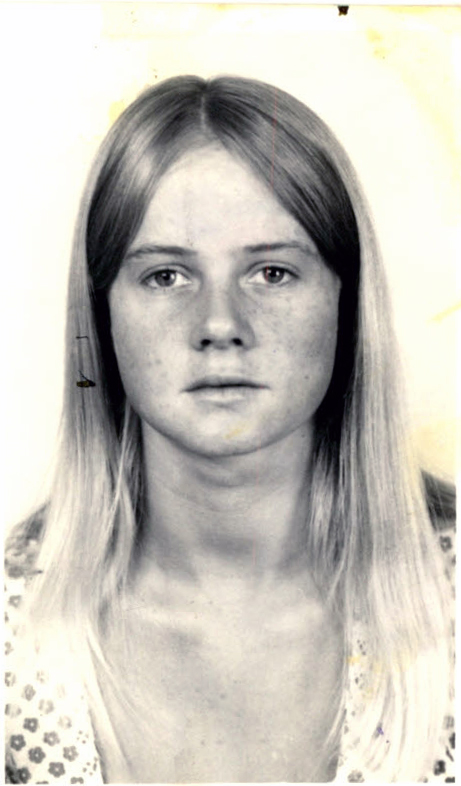
This is a day of fear. I wander along the beach, swim, sunbathe and make a journey through the city centre. He is gone, for years. And my parents detest me for this past night and for tomorrow and maybe also for years. They spied on us. They know about the nights that we spent together in the tent. I feel dirtied by their thoughts. Something precious shattered. Madonna and whore. The ancient story.
7 January 1974
Monday
Thank you to my god that I didn’t walk the heavy road for nothing. He made me realize
things. What those things are, I’ll find out and understand through the course of my life.
22 January 1974
On holidays at my sister Henrika and Andreas’farm, Plettenberg Bay, Cape Province, South Africa:
I hope that I will always remember this evening, the time that we went for a walk. And now I sit here in an unlit room, the only light piercing in from the passage. Because I am afraid that someone will come in here ans spoil the holiness of the moment and of the words. So many times it has frustrated me because I cannot find any words to describe the mystery of the observation.
My sister’s farm just after sundown revealed many things to me. It was not the most beautiful landscape that I have possessed in my soul and neither was it my most emotional moment. I just realised what I have to be thankful for. Oh yes I saw how the scene enchanted me, but I rather saw the beauty of the whole of South Africa through that. I realised that I am entering a mad rush this year. Maybe I am fooling myself, and added to this, maybe I am by nature too doubtful and that’s why I say ‘maybe’ ‘maybe’. I mean, in the evening, just before dark, you can mislead yourself. Everything is softer, duller then. And yet not unrealistic. Not with an unnatural layer of feathery down. One still smells the hedge flowers, and the wild cucumber still reminds sharply of real home cucumbers when you open them. Treasure this my soul!
26 January 1974
Saturday
I am not a schoolchild anymore. I am not going to be afraid of my parents. I am going to be independent for once and follow my own head. Even if I bump it. I will still feel satisfied. Nobody is going to push his finger on me and say: ‘Do such or do such.’ My future is mine. It does not matter how I am going to fulfil my heart’s wishes. The most important thing is: I want to, I can and I am going to. As far as my appearance is concerned because I feel so neutral towards all those I “belong” to and therefore also so brave, I am solely going to work for my own interests, forget them, and put them outside me. Oh no, I am not going to be rude towards anyone. I am just going to be ruthlessly hard and unbreakable, steel myself against my own temptations, just like I am going to harden myself against them. I am going to walk decently, take care of myself and look neat. I am going to give them no reason to moan about something. Above all, I am not going to oppose them. I am going to be sweet and endearing as much as I can. Keep my tears for myself and Petrus. I will also pray when the last little grain of something is gone from me. My god understands me. I should never grow soft. One day, when I am an adult, I may, even if it is then too late. What happens from now on happens in the country of fate, but as much as I can, I am going to control that fate and rule over it.
All this I promise to the future.
Indeed, I must admit that love is the reason why life exists. WHEN I exist. But what if the concept of love does not exist for me anymore if it has become a hollow life of hatred or inferiority complexes? Then love becomes the turning point in life, the axis around which life turns. Around which I turn. And only then do you think it crazy that people have become so emotionally blind that they have started seeing love as the pulse, the heartbeat around which life turns. I would like to have it like this too. But it is just not like that. You, do you understand that something else could have become the focus of being human? Around this sentence, the almost eighteen years that I have lived, revolve. And that is why you, hateful you, whom I so badly want to love, don’t understand this
1 February 1974
If only life could gift me something it would seriously give me only one thing. And that is to be alone for a whole week. In the mountains or in the field. Where there is no reflector that can show me what I look like and how the world looks. My spirit, my body, would be eternally grateful towards life.
11 February 1974
Monday
Today I feel out of sync with the rest of the world, because it is my first work day at Butlers Pharmacy in Grahamstown.
Afternoon:
If one could talk about small moments of happiness, then this is it for sure. All the new faces are healing ointments for long-term wounds.
This evening I start my typing lessons at the Technical Institute.
The Coerzes are nice people.
1 March 1974
Friday
In every place where I am going to work in the future, I will act in such a way that people will remember me as pretty, good, friendly and decent. This is how I want to go through life and I don’t want to become part of the youth’s effort to represent a symbol of rubbish.
7 March 1974
Thursday
John Reed comes to pick me up and I join in with playing table tennis at the Leveys’ home, where I meet the American Richard.
8 March 1974
Friday
Hello Richard,
I had to write something down this night, meant for myself, but it is for you. I must admit that I have not met many young people, so perhaps I am wrong. But you are different. Not because you are American or you prefer classical music. You have a lot of sense in that head of yours, without being too serious-minded like me. I know that what you speak is worth listening to, worth keeping. I may be wrong. I have been wrong many times during my seventeen years of living. I’ve been too naive, too prepared to trust people and to see only the good in them.
So to end this rather unexpected letter, I can only say that, as a person you’ve made an impression on me.
I’m a bad talker, a willing listener and an eager writer. That explains my letter.
Bonne nuit
Hermien
10 March 1974
I go to Heidie, a schoolmate, in the afternoon.
This evening we go to the Rhodes University Barefoot dance. I meet Mat Mawson of
Rhodesia.
28 March 1974
I spend the evening with the Leveys. Richard, the American, is an exceptional person but too serious by far.
1 April 1974
Mammie plays April Fool with me about my job. I am sleeping in my brother’s room.
2 April 1974
You must never forget: To go overseas means that you can get rid of all your ghosts and make a new beginning. There nobody knows about the past and you may not inform them either, so learn from the beginning to communicate differently with your fellow human being. If you feel you can make better friends there by being more personal and taking someone in your trust, do, but never mention a word about the “inferior side” and one part of your past. Here in South Aftica I got stuck in a groove just because of that. There you are not allowed to make the same mistake.
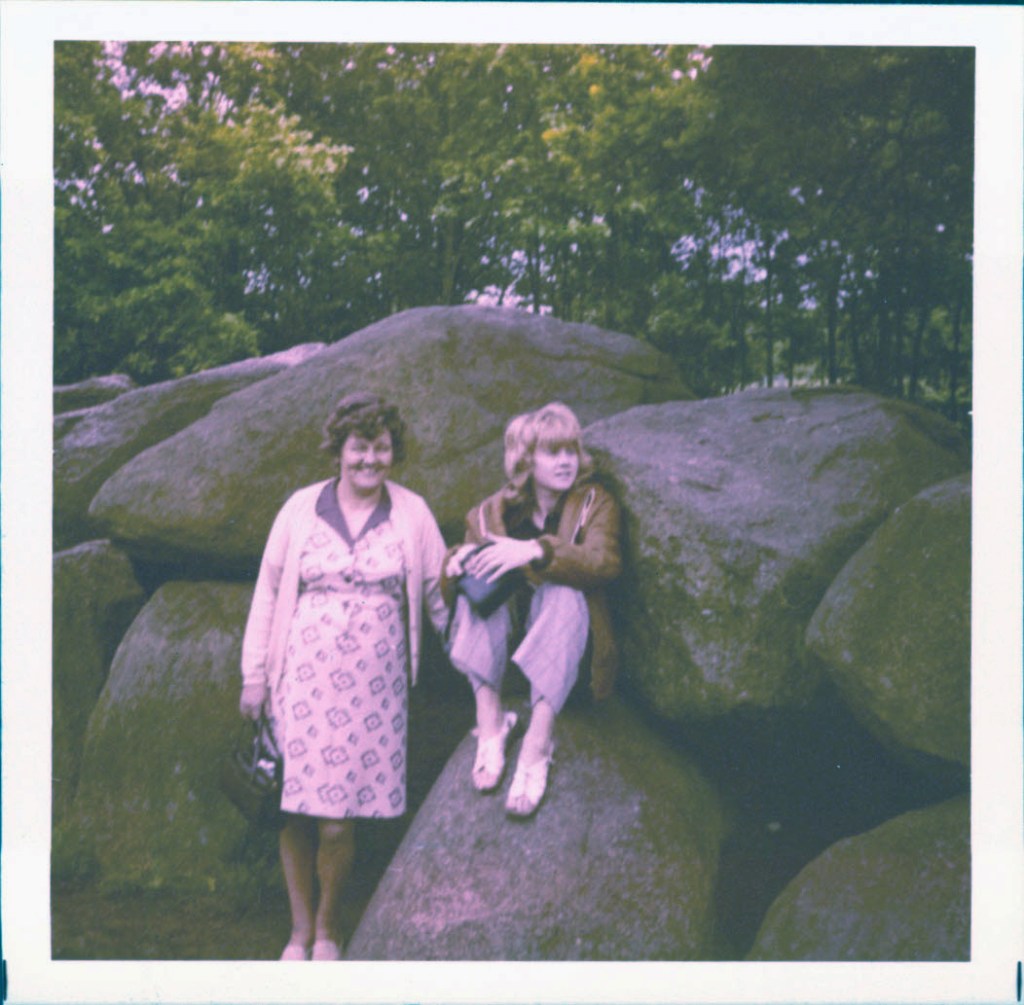
Photo taken in Drenthe, the Netherlands, with an aunt 1974
*****************************************
The above are further teenage musings, written in the early seventies by me, Hermien Zwiers. Names have been changed to protect people’s privacy, except for my own name.
#teenager
#IWSG What Inspires Your Writing

This post is for Alex Cavanaugh’s Insecure Writers Support Group (click the link for details on what that means and how to join. You will also find a list of bloggers signed up to the challenge that are worth checking out. The first Wednesday of every month, we all post our thoughts, fears or words […]
#IWSG What Inspires Your Writing
AN ADOLESCENT IN THE MOUNTAINS:
Summer 1974:
A story of Travel and Love
LAUSSANE, SWITZERLAND
On the railway platform is a young man with dark hair. I always try to avoid contact, but he suddenly speaks. Maybe I will remember one day: was it to me or to the English girl who stood there with her sister and parents? I enter the train and take a seat by the window. Unspoken tensions and beats. The lure. The one with the dark hair also climbs in. Did he ask again or just sit down? Across from me, I mean? Quiet magic. The girl and her sister come in. She says a familiar “hello” and asks if she can sit there- she asks him. Yes, that I remember clearly because I am not automatically, respectfully in a trance with the girls. They talk about a book.
Later I produce my Winds of War (Tolstoy) and nonchalantly, as I read, tear the pages out, but I listen with open ears and say something every now and then. He interests me.
He has a Swiss Army knife with him and since I am so proud of my newly bought one, I take it out. Attention seeker!
I peel an orange. He goes outside the compartment to smoke a cigarette, comes back to us and sees the knife and oranges; eats one too.

We travel to Lucerne. For both of us the Swiss landscape is more beautiful than we had imagined and he and I take photos like crazy. I “must not move from the window, because my reflection in the train window “suits the photo well ”, I hear when I say “sorry”.
At Lucerne station the girls say” goodbye” and “nice to have met you” to the man. I walk a little distance and then wave goodbye and I am kind of sorry to part. He was a pleasure to be with.
A few minutes later I see him at the information bureau (or he sees me?). Until now I expected nothing. I speed back to the train. He walks with me for a little bit. I am nearly late.
That evening I don’t make it in time to the Youth Hostel. The last cable car had already left. Later, when I had unpacked and was lying in my sleeping bag against the mountainside, I think of him. Not exceptionally or especially. I just miss him. In the night soft drizzle comes down and I tuck my head further into the sleeping bag. I hear animals and the wood to one side is quite dark. I hope the farmer doesn’t mind me being there. When I wake up a few little slugs had crawled in with me.
LUCERNE, SWITZERLAND
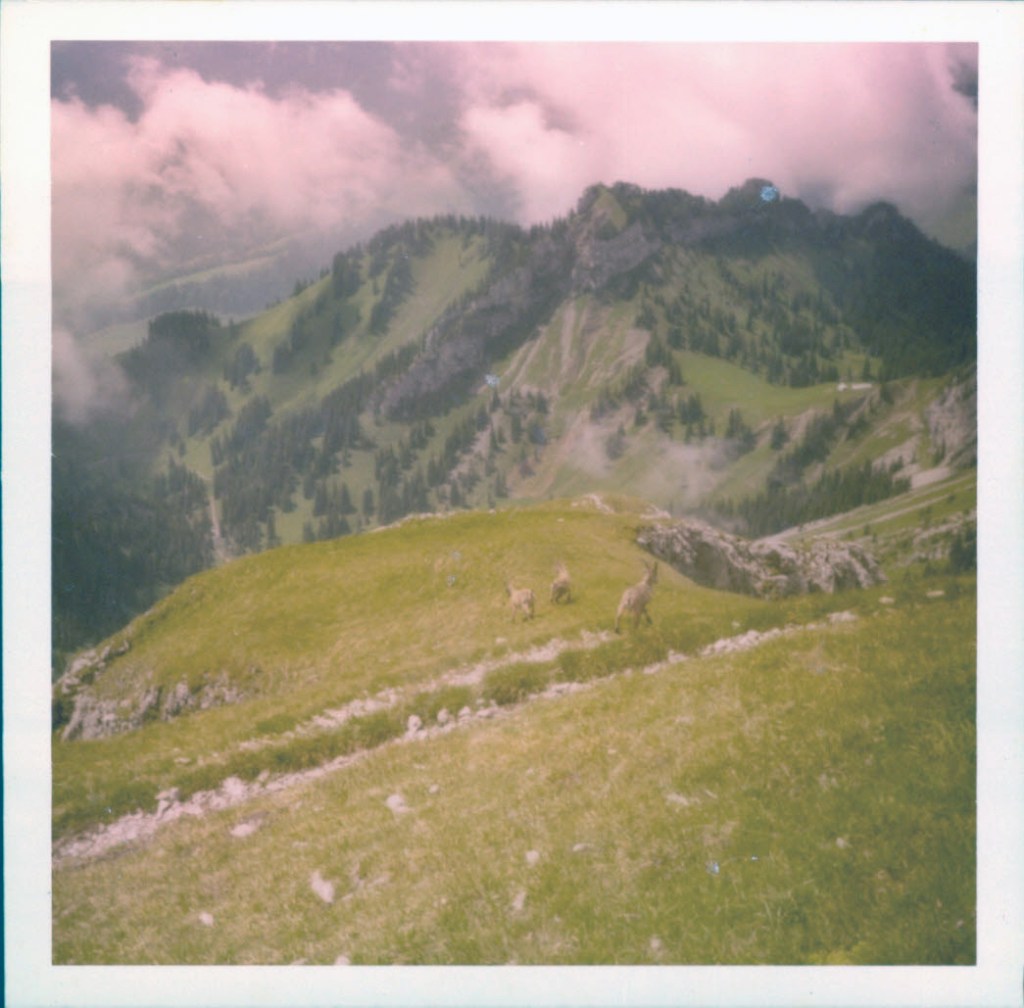
I was on Mount Pilatus. Did the mountain walk. Saw the goats through fog on treacherous slopes. Couldn’t see the deep valley below; only heard cowbells coming as if from another mystical world. Coming down in the cable car I noticed a swimming pool in the village of Kriens (or was it Trier).

And this is where I’ve just come from; the blue pool – here I stand at Lucerne station in the information bureau and I turn ice-cold when I see him and when I start to talk to him, blood red. I laugh and say that I got a fright when I saw him. Didn’t I think “What if I get to the information bureau tomorrow and he is there too”? This image was in my mind on the eve of 1 July. There under the pine trees, alone and cold. I am glad that I have my modern blue top and skirt denim on. It looks good on me and makes me look slimmer too.

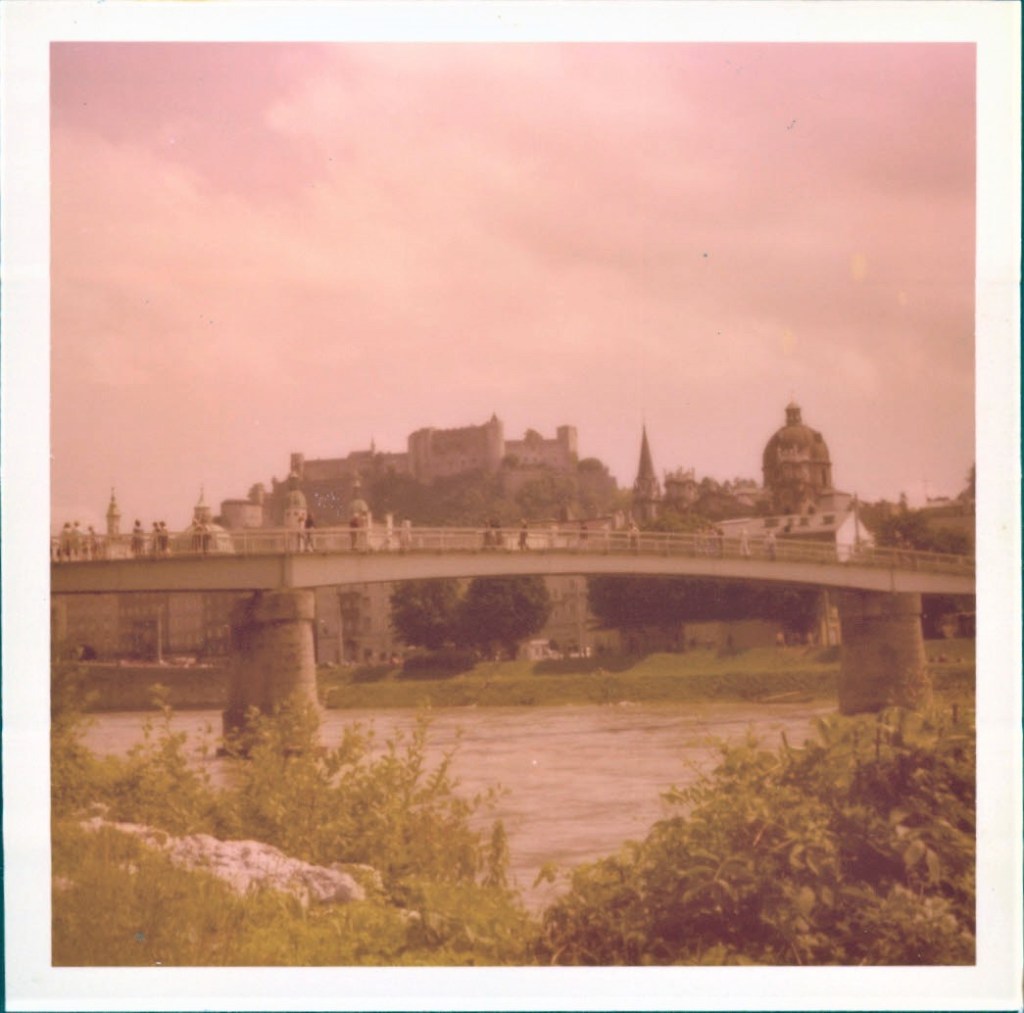
Frank is his name – Frank without a surname. I feel as if I have known him for years – that night especially -. And feeling exceptionally at ease near him, I go over the very famous wooden bridge of Lucerne with him. With us is a young married couple from Washington. Frank wants to introduce me and realises that he doesn’t know my name yet. I explain. He invites me to drink beer with them next to the clear waters of the Vierwald-Stattersee – And we laugh, so carefree and happy. Even then I became unwittingly aware of a blissful feeling here inside. Over the wooden bridge again and we say goodbye to the Washingtonners. We wander to the station and – in front of the information bureau- I know what I had known all the time in the mist of my mind:
“You travel too fast. You really should stay another day. Lucerne is beautiful.”
18 July 1974
ON THE WAY TO TRONDHEIM
Dearest Frank,
I am now on the Ostsee-Express through East Germany- on my way to Berlin – and from there to Copenhagen. This is the slowest train I have been on since I started my journey- it seems to go down to 10 km. per hour as soon as it approaches an East German town. It does not stop there though. Things look very poor here. Nature stays beautiful, but there are no colours in the towns. Only grey houses looking like shacks. Dirty, grimy buildings and rusting stations- sour-looking people.
I often think about you and imagine that you must be having a wonderful time in Italy. As I said, you do seem to make friends easily and everywhere and that makes living a lot easier indeed.
The further I travel north the more golden and intense the light of the sun becomes. It is bigger now. More a master and ruler of the earth. It must be beautiful in Norway. I will be there in a few days’ time.
The Germans of this part must be crazy in spite of the sun. Gloomy looks abound. I do not get smiles, even if I have a contented face, distressed but nevertheless contented.
It is about 4 o’clock in the morning. We are crossing over to Denmark by ferryboat now. It has been light since about 2 am. I’ve been alone in this coupe the whole journey through. Not many people seem to want to travel through East Germany. They woke me up too much anyway.
In Gedser, Denmark, the train glides onto new soil.
TRONDHEIM
Frank, I really miss your company at this moment. At least I can be honest with you and tell you about the mess I am in.
It’s very simple- the mess I am in and just as simple to get out of, but I lack plain physical strength and I am feeling too much alone to face the rest of Scandinavia. I still have the cold that we both picked up in Munich and some throat trouble. My mind is the sickest of them all. I’ve kind of seen enough now and it is just one great pullback. I don’t enjoy one single moment anymore- everything is just plain miserable.
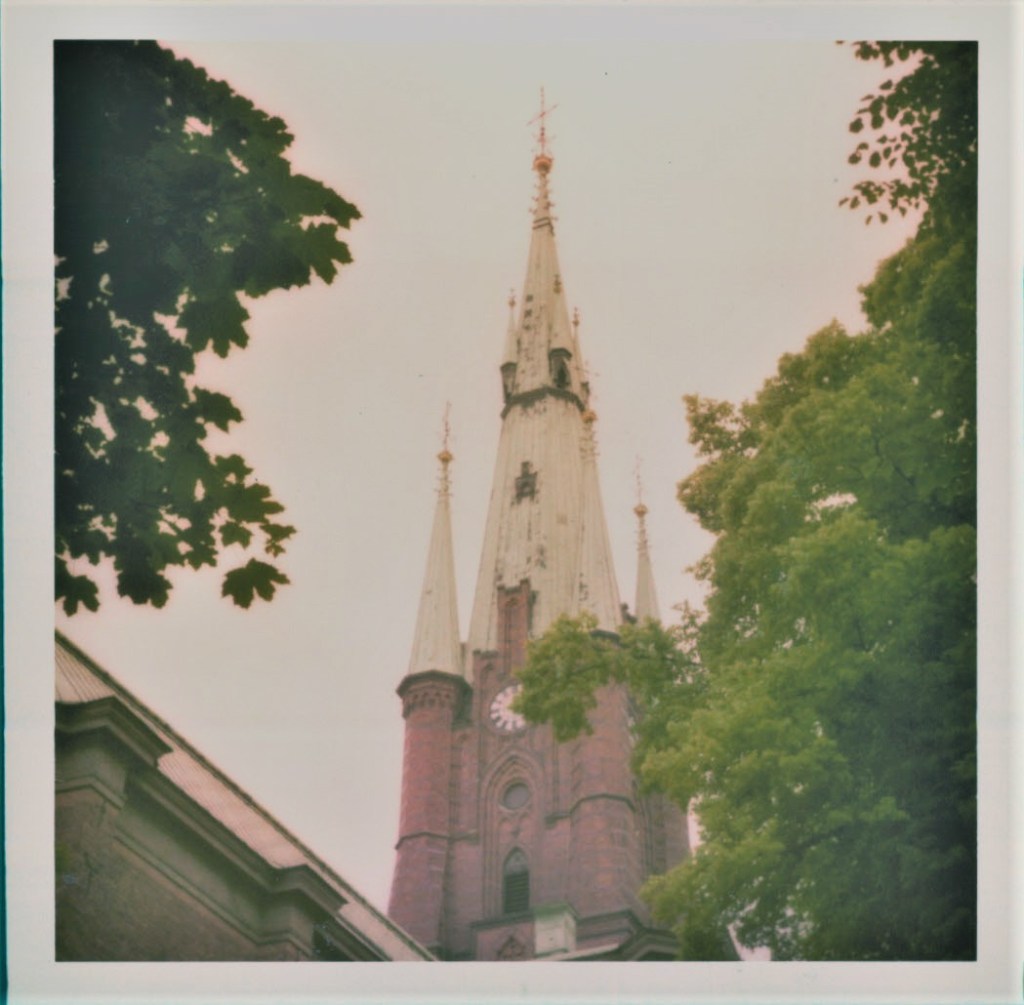
I’ve travelled through East Germany to Stockholm (a 25-hour journey), stayed two nights and travelled again this morning from 7.30 till 7.30 this evening and am now in Trondheim. I ate something nauseating in a cafeteria and then something called a hamburger, which it is not, and chips 5 minutes later, and now I am sitting in the station hall on my famous piece of grey plastic writing about my misery- because I intend to travel back to Oslo (bloody stupid) this night at half past ten. Sweden and Norway are incredibly beautiful- the few hundred kilometres that I have seen of it, but the beauty does get boring- it just got too much and I go to Oslo within an hour and straight to Copenhagen – and if possible, on to Hamburg and on to Amsterdam- but dammit, I’m going home. One cannot do without love and warmth and company for so many days.

One day I will come to see Scandinavia again- when I am calmer. And Switzerland and Austria, but now I’ve reached stop, no further.
God, I should stop complaining. I can walk, I have a healthy body, eyes to see, brains, people who will take care of me- but I still feel miserable- there is no direction in my life. I am feeling the Paris feeling all over again. I am very, very unsure of the future. My main interests are arts, music, painting, architecture…but I seem unable to make a career out of the things I love, the things that are the most important in my life. They give me life, a will to live. With languages, I can make a career, but it is not the love of my life- too much fear and recollections from school years involved.
“I don’t know” has become too much a part of my life and I am fighting desperately to get rid of it- but I never do.
I took that trip through Norway at night. At half past 12, I saw snow on the mountains and the sun shining on the lakes through sad clouds. Eating South African oranges in an Oslo train- the irony of it all.
TEENAGE MUSINGS FROM AGE SIXTEEN

Now she knows what it means to feel bewitched and lamed, just like that- as if a magic berry put to sleep everything that is sensible, anaesthetised it and brought with it a euphoric glow.
Where does a person start when you feel too happy, too mixed-up to find a start?
Let’s say that I sacrificed myself to nature today; tore myself open and exposed myself to its powers. I did not deceive him-for once I was totally honest.
I took my dog. He was in such a hurry to run- dash through the grass, up the mountain, down the mountain, that it made me feel good just to put his leash on. Along the way in the wild whirlwind, I picked up stones, threw them up, caught them. Again and again. And it made me happy. The sun came from the front, struggled through the clouds to bewitch me and later, when only open heavens stretched above me, it sapped all my power and strength away. I was thankful for the luxurious wealth of green around me; grateful that it was so never-endingly quiet there on top of the hill—so, so happy that I could come and lie here and repair and re-think all those weary days.
Thank you, thank you so much that I exist.
(Written in 1972)

SIXTEEN 1972
One day I may die of sentimentality. Try to catch images on canvass my sole demands, but my flesh longs for more- thus I write. But pen and ink do not satisfy as much as reality. As I sit here by the table I look out on the countryside. The morning mists have disappeared. It is afternoon now and I look to the North. There you are somewhere as if my very life depended on you. I long for you my love, and I can but pray. Youth lends itself to that magical world of praying to an outside force.
To love is to run through your own heavenly green fields with or without the one you love. When he is with you your laughter is his and you hate no one. When he is gone, the countryside that you run through changes to grey mistiness. Through the pines. The whisperings of the tall pines become your beloved’s voice. You want to fly up into space-, maybe become an angel- and touch his fingers and then his lips. You want – most of all – to hear his voice desperately- wait patiently- … but what is patience? Why is the world so cruel and dark?
By the way, you look so handsome by a flickering candle at night- so beautiful in the dark, especially when we speed through the night on the open road and the moon lights up your face.
Please live to be a man, then I will live to be a woman- but, when I’m gone…do not worship my soul. Love someone else and love her more.

THE WIND IN THE WILLOWS 1973
Here where I am, the willows are overfed with wealth. I live in a whitewashed house 103 long steps away. I come here often to listen to the wind. The wind is broken by a mass of swinging green. At each tree it has to stop. This is always my chance to feel overfed too and the wealth of the willows is blown into my body. Its spirit stays here, forever. I refuse to let it out. It is summer. And summer is health and so much love that I am twice as much in love with you and in love with this spacious beautiful world. Here where the willows grow and swell, where water and green plants and sky are one. Like my body, his, yours. Take my arm away and it will be deformed and hurt. So leave this world in its warm place.
Today it is autumn. I walked the 103 long steps to come here…and to listen. Today the wind has not stopped. Like a child, it peeps through the empty branches, around them. It clutches, but only for a second. Turning again, it tumbles over the trees, over the loose, useful earth and its companions, the brown leaves, the mustard ones and green-yellow ones too; the brown that soothes me so. And then, as I say “hush”, it goes away through thin, sharp air, along tepid waters, over other brown leaves. The brown leaves have partially eaten up the earth and the earth has pressed it to its bosom. When night falls, they are so safe. The cosy summer blanket does not cover them during this half-empty, half-mature season. And where is my friend, the wind? It goes through thin air, whistling quietly. It will come again in the winter.
When winter comes I take a blanket with me to cover myself. I am human, after all. I hasten to the beloved place, but I am prepared for that desolate, deserted emotion. The wind is more than empty now. It has become hollow and it blows through only a skull. The wide fields around me: they were so full in summer… I love this place, but I would hate it at midnight. If I had to come here at that hour, the darkest one, the graves would surely have appeared under the trees and the skeletons would be having their feast on rotten leaves in the midst of this pool of icy, grey water. I am so utterly convinced. You, my friend, cannot change what is human and what is me. The wind blows through a skull and it is afraid to touch it. Sometimes, somewhere, in this wind, some hope is left.
For today it is Spring and the wind is in love, not only with the tender green but also with the willows themselves. Body and soul. My friend, I never want to die. This is too wonderful. I woke up this morning and I walked the 103 long steps. Now I will never turn back- this is where I belong. This is home.
As I sit here the dreams fleet by. They never stop. I have a handful of fresh brown earth between my hands. When I press it, the water runs down my arms. And always, always, the music blows through my body, to make mature this feeling of absolute bliss. Tomorrow it will be summer again.

1973
“Do you love me?”
NO!! The problem is that if I allow myself to love you properly, I will be vulnerable and you might hurt me. And anyway, I cannot relate to you properly whilst I am dependent on you in my mind. I need to feel free before I can love you and I need to be able to love myself first. I am in a state of chronic anxiety and I cannot love anyone until that passes. And so, you see, I DO love you, but…I do not know… If I could lose connection with you for a while, I might be closer to you, if you see what I mean. Anyway…well… It is not fair of you to keep asking me these difficult questions.
1973
We Searched For You Agapi
It is the remembrance of the best things that sometimes make me feel nostalgic. Happy too, yes. Always, but mostly in dreams.
Do you remember the little nest we lived in there on top of the rough cliff by the sea? At night we listened to the waves that were struggling to break the rocks at high tide. We felt so secure then. Sometimes I stood up at midnight when you were awake too, and we made coffee. Just coffee with cream and a spoon filled high with sugar. That was wonderful was it not? During the cosy winters, it was only you and I. In the early hours of morning, you went out in the fresh blue world and came back again with dry logs of wood for the fireplace. Just for the moment, as always, you would look up and smile at me.
On Sundays I made such nice thick tomato soup. You loved it. The quiet tickle of laughter over the yellowwood table was a firm tie. There in our playhouse kitchen. In the summers, when it was sultry, we climbed down the cliff as children do. You always took your torch with you; do you remember? What a devil you were when the crab catch started! Many times we just walked to feel the temperate water flow over our sandy feet. The light wind always blew my hair in circles to make it a crow’s nest. We also had to stand still and watch- in awe and wonder when the white foam wanted, just wanted to flash through the dark. Do you still know that calmness? How beautiful the world was in winter! If there is one thing that I, strangely enough, will remember and will want to keep, it will be the white and the melancholy of those days. It was as if the universe wanted to cast back the white. There from the top of the cliff, everything looked so far away, so very far. The sea too. However, it was near, very near beneath me. I could touch nothing. The haziness and the mist and the moan of the wind were always escaping.
And those days when you became mouldy together with the manuscripts in the attic? That voice was always chasing you, was it not? I brought tart and coffee. The coffee grew cold and you spoiled ink on the tart. I had to escape to the sea. At night I preferred walking on the beach. Up there it was Agapi and the manuscripts and down below, my soul and me. When we sang, we searched for you, Agapi. The sadness inside grew higher as your bundle of manuscripts grew. I was actually relieved when the weather grew bad and angry for then I had the chance to shout out above the wind and the thundering waves at the clouds, bidding them to stop all their fighting. All along the shining black rock I ran and watched as the massive stone bunk became one with the night above. My breath chased and my haste burned with the climb back along the cliff.
There at the top I was at least inside the mad merry-go-round. My senses whisper that you and the house by the sea are only a dream.
Just a dream. Are you? I feel the page of the book soft between my thumb and my other finger. I feel unbearable pain. Without looking where I last read, I stand up to make the coffee.

10 February 1973
THE BRIDGE IN THE DARK.
The evening is clear. All around me the warm yellow light soothes the inky blackness of the night. I am on my rusty bicycle, moving through the old part of Amsterdam, dreaming my puzzling dreams.
I pass people and I smile at them. I might not see them again. Then I stop and try to calm a crying little Dutch maid, someone I know. She cries and I caress her. Then I leave her behind on a cosy corner of a street. Am I not like her? I look behind me and the lonely look in her eyes disturbs me.
Wonderful old Amsterdam is so calm tonight. I am mute; I have no words. So like before a big storm. At 3999 Verhuizingen and Transporten I stop. The light from the street lamps still plays on the water, on the rusty iron of my dated bicycle and on me. I climb off my bicycle with neutral lifeless movements. There are no more people around me. The night seems to have become so silent as if it had become aware of me and was empathising with me.
Now I am walking across the bridge. It seems strange that it is so quiet here on the bridge and how strange that it is dark here. Nobody is rushing over the bridge as during the daytime or sauntering or running. Nobody tonight, only the sharp sounds of a ghostlike figure’s feet can be heard. Sharp sounds of restless feet. Feet that belong to the restless mind of a glamorous young woman. Then I bid the bridge farewell and my bicycle as well and left them behind in the dark. I left them behind in the dark to go to a peaceful place, a glade in my mind. Now my mind is calmer. I have decided at last. I enter 3999 Verhuizingen and Transporten. Then I ascend the first flight of steps and open the old wooden door. It smells here. it smells of rats and old food and death. My footsteps sound hollow in the passage. I open another door and then I walk to my dead mother’s bed. Softly I pick up her lifeless hand. Dearest mother. At least we had each other. Now I have only myself. Wait for me. Then the door is closed by me again.
A little later I am in my draughty room. The wind has returned to move away the calm of the night. I close the door there too. I take the contents of a bottle and swallow it. Hungrily, willingly, losing some of my dignity as water runs down my chin. And wait for the storm to break with all its might. It seems as if the thunder is louder in my ears. In the cafeteria…laughter, life, love and atmosphere…
Warm, yellow light soothing the blackness of the dykes…
The black inky water…The bridge in the dark and on it the rusty dated bicycle.
How unfortunate the little Dutch girl was- she knew no way to return, to relieve her pain. …I leave everything behind in the dark and go to the glade.
It is light. It is day.
People pass an old bicycle on the bridge. Children run over the bridge and laugh. The wind plays with the leaves on the bridge, teases them.
In one of the rooms of 3999 Verhuizingen and Transporten, the warehouse an old grandfather clock is ticking the time away.
And outside the wind is teasing the leaves in the silence on the bridge.
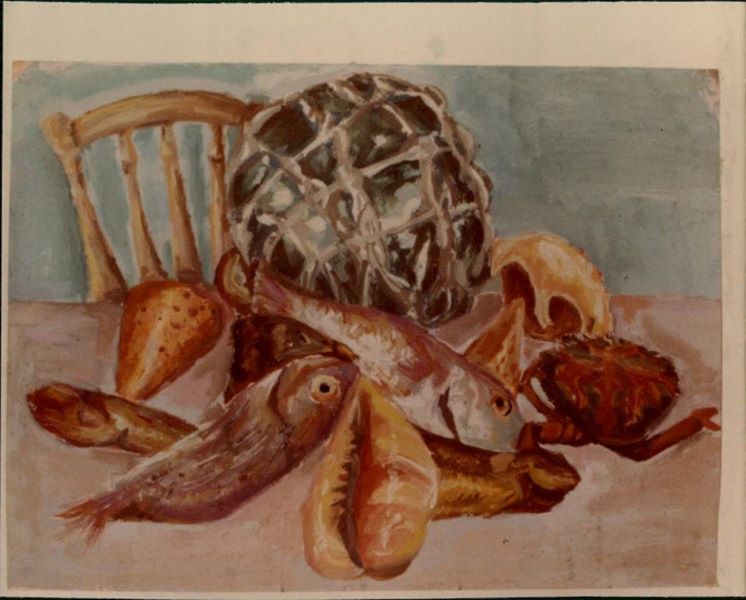
May 1974
I saw a film. Only god can inspire this much. I don’t forget the four days when he helped me. I don’t forget a single day of the past. I see now and know now where everything led to. I’m staying here in Europe because I’d choke if I ever went back to Africa (before I became a person), I’ll drown in graves, from rain and rot from ants. I won’t be weak and minute like other people; lose my magnificence. Oh, no, it’s not just imagination. Other big thinkers WERE born. No apologies for blowing my own horn. I was alone until here but too weak. As of tomorrow, I’m starting to live. Even if it is just until the following inspiration. I’ll be a newborn and not a disgusting, hiding-away mouse. God, please hold my hand as in the past. I’ll bury my past and only open it for those whom I can help- not to look for sympathy- Oh how exhilarating the baring of the future is. Tonight, in my dreams, tomorrow, I’ll cement my dreams, fix my days solidly, bury them, black on white- until I may die.

1 May 1974
“To bear with unbearable sorrow” Whittaker sings. I wish to be relieved of all this dreadful sadness.
The inability to create anything. Because I fear you and myself. I am frightened of my hands and what they do to my face. Also of my appearance- afraid of reality. Fear is darkness. And I see a dark hole every moment. And yet I can hide at night. I then rest peacefully with no one watching; blanket comfortingly up to my chin. I have actually become a joke, to myself, through these years. It’s all so ridiculous what I am doing to myself.
I stand now, in front of god, and know not how to approach him.
The above is continued from my blog “FROM AGE FIFTEEN…. The 1950s–1970s, THE BEDFORD-GRAHAMSTOWN YEARS. All written by me, some as school essays, others just from the heart in journaling at ages 15, 16 and 17, in my teenage years, and quite ‘dramatic’ as one can get in those years. The blog will be continued with “The 1970s, THE AMSTERDAM YEARS“. I will continue to change names to protect people in the stories. As I do not adhere to organised religion and am spiritual but not religious, I use the diminutive “god” rather than “God”.
 hermienzwiers.com
